
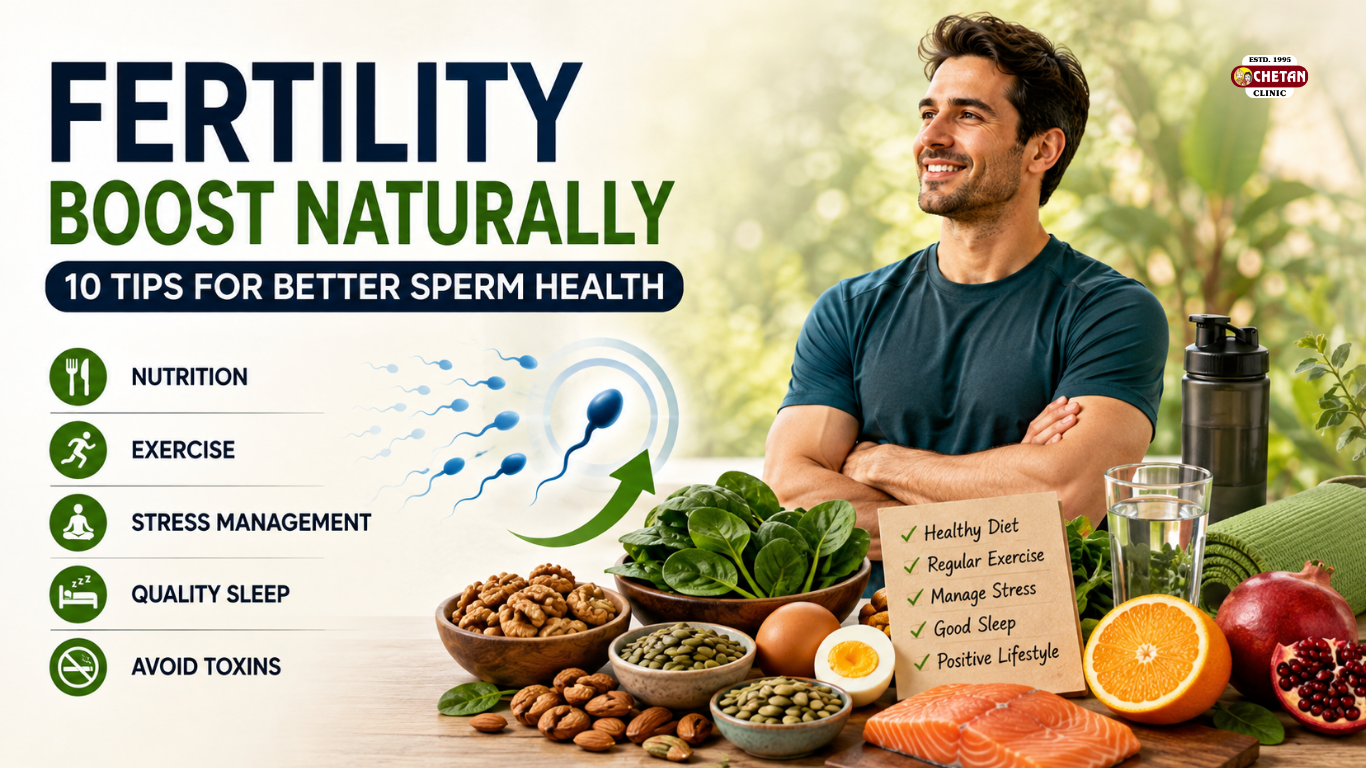
Quick Answer: How Can Men Boost Fertility Naturally?
A natural fertility boost generally involves maintaining a healthy weight, eating a nutrient-rich diet, exercising regularly, getting sufficient sleep, managing stress, avoiding smoking and excessive alcohol, and reducing prolonged heat exposure around the testicles. If you are experiencing difficulty conceiving, lifestyle changes should be combined with appropriate fertility evaluation when needed.
What Does Fertility Boost Mean?
The term fertility boost generally refers to healthy lifestyle and nutritional measures that may support reproductive function.
For men, fertility is commonly assessed through factors such as:
- Sperm concentration or count
- Sperm motility
- Sperm morphology
- Semen volume
- Hormonal and reproductive health
Male fertility can be influenced by several factors, including age, body weight, smoking, excessive alcohol use, prolonged heat exposure, certain medications, infections, hormonal problems, and some medical conditions.
Therefore, instead of looking for one “magic” fertility solution, it is more practical to focus on multiple areas of health.
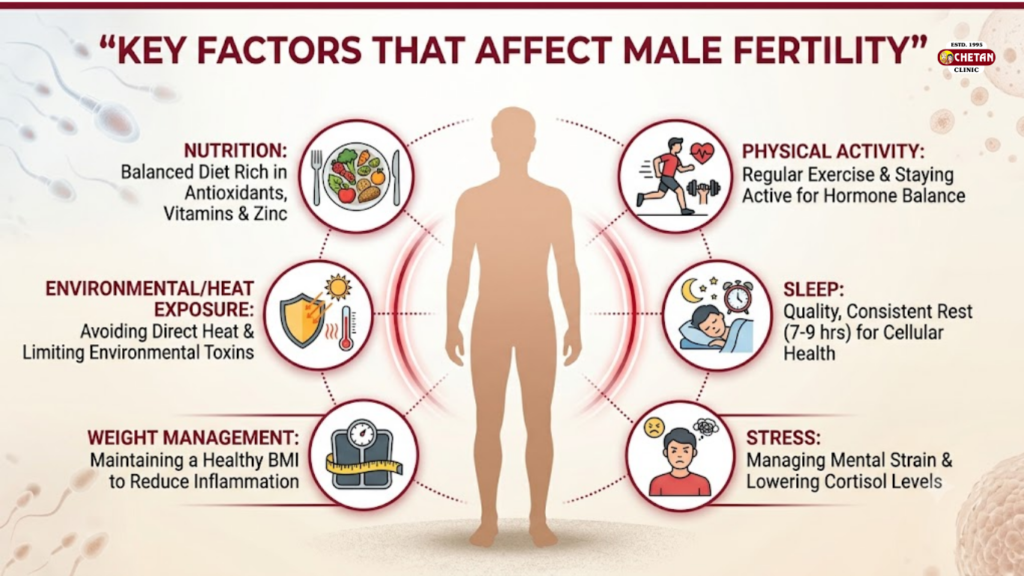
How to Get a Fertility Boost Naturally
There is no universal method that works for every man. However, the following lifestyle habits can support overall health and may contribute to healthier reproductive function.
1. Follow a Balanced Diet
Nutrition is an important part of overall reproductive health. A varied diet containing vegetables, fruits, whole grains, pulses, nuts, seeds, and adequate protein can provide essential nutrients required by the body.
Nutrients such as zinc, selenium, folate, vitamin C, vitamin E, and omega-3 fatty acids are commonly discussed in relation to reproductive nutrition.
Instead of focusing on one particular fertility food, aim for dietary variety and adequate nutrition.
2. Maintain a Healthy Weight
Both obesity and being significantly underweight may be associated with reproductive and hormonal concerns.
Maintaining a healthy weight through balanced nutrition and regular physical activity can support metabolic health and overall male fertility.
If you are struggling with weight management, a qualified healthcare professional can help create an appropriate diet and exercise plan.
3. Exercise Regularly
Regular moderate exercise can support cardiovascular health, metabolic health, mood, and healthy weight management.
Activities such as:
- Brisk walking
- Swimming
- Moderate cycling
- Strength training
- Yoga
can be incorporated into a balanced routine.
However, excessive training without sufficient recovery may not necessarily provide additional fertility benefits. The goal should be consistent and sustainable physical activity.
4. Manage Stress
Long-term stress can affect sleep, mood, energy levels, and daily habits. These factors may indirectly influence reproductive wellbeing.
For better sperm health, consider healthy stress-management techniques such as:
- Meditation
- Deep breathing
- Yoga
- Regular physical activity
- Spending time on hobbies
- Adequate relaxation
- Maintaining social connections
Managing stress is not a guaranteed fertility treatment, but it is an important part of maintaining overall health.
5. Get Enough Quality Sleep
Sleep plays an important role in physical and hormonal wellbeing. Poor or irregular sleep may negatively affect energy, mood, metabolism, and general health.
Try to maintain a consistent sleep and wake schedule. Reducing unnecessary screen exposure before bedtime and creating a relaxing nighttime routine may also support better sleep quality.
Good sleep should be considered an important part of any natural male fertility support plan.
6. Avoid Smoking and Excessive Alcohol
Smoking and tobacco use can negatively affect overall health and may be associated with poorer reproductive outcomes.
Excessive alcohol consumption can also affect general and reproductive health.
If you are trying to improve sperm health naturally, reducing or avoiding tobacco and limiting excessive alcohol is a sensible lifestyle step.
7. Reduce Prolonged Heat Exposure
The testicles require a temperature slightly lower than core body temperature for normal sperm production.
Frequent or prolonged exposure to excessive heat may affect sperm production in some men.
Practical measures may include avoiding unnecessary prolonged exposure to very hot environments and taking breaks from activities that create excessive heat around the testicular area.
8. Stay Physically Active During the Day
A sedentary lifestyle can contribute to weight gain and poor metabolic health.
If you work at a desk for long periods, try taking short movement breaks throughout the day. Walking, stretching, or light activity can help you remain more physically active.
Overall lifestyle quality matters when working toward better male reproductive health.
9. Avoid Unnecessary Supplements or Medicines
Many products are marketed online as quick fertility boosters. However, more supplements do not necessarily mean better fertility.
Some supplements may interact with medications or may not be appropriate for everyone.
Do not start fertility supplements, hormonal products, or herbal preparations solely because of online claims. Professional guidance can help determine whether a particular product is appropriate.
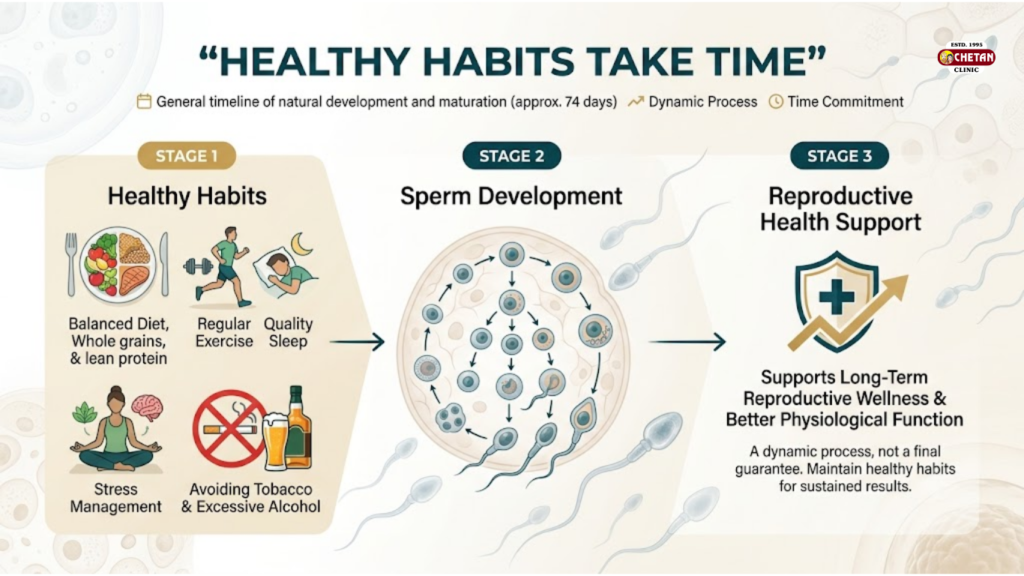
10. Give Your Body Time
Improving lifestyle habits does not usually produce overnight changes in sperm health.
Sperm development is a continuous biological process, so changes in nutrition, exercise, sleep, weight, and other habits may require time before measurable differences are seen.
Consistency is generally more useful than trying several quick fixes at once.
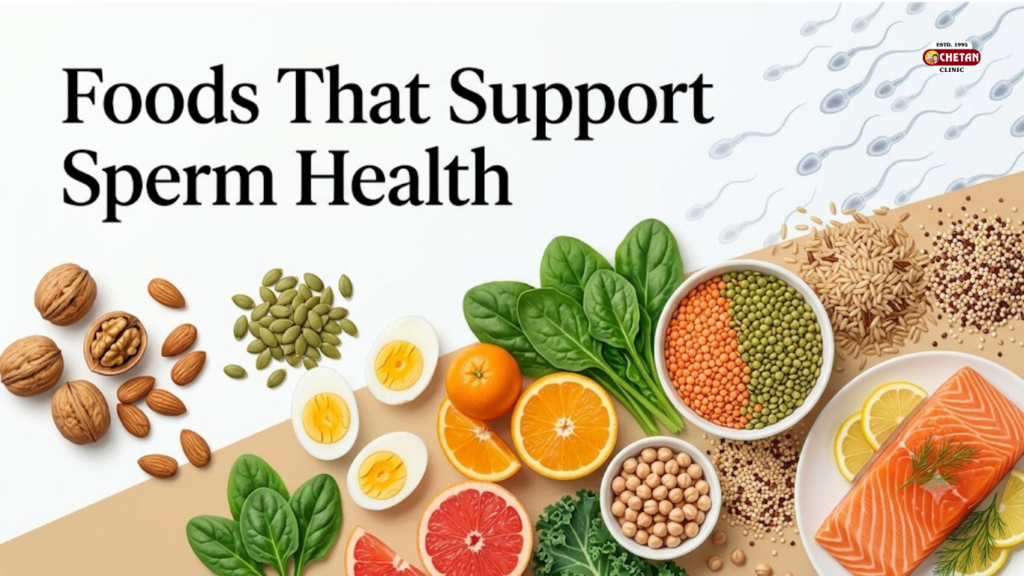
Foods That May Support Sperm Health
A nutrient-rich diet can contribute to overall reproductive wellness. Some foods commonly included in a healthy male fertility diet are:
- Walnuts and almonds: Provide healthy fats, protein, and micronutrients.
- Pumpkin and sunflower seeds: Provide minerals and healthy fats.
- Eggs: A convenient source of protein and several essential nutrients.
- Citrus fruits: Provide vitamin C and other antioxidants.
- Leafy green vegetables: Provide folate and other micronutrients.
- Legumes: Lentils, beans, and chickpeas provide plant-based protein and nutrients.
- Fatty fish: Provides omega-3 fatty acids and high-quality protein.
- Colorful vegetables: Provide a range of antioxidant compounds.
Ayurvedic Perspective on Fertility Support
Ayurveda traditionally approaches reproductive wellbeing as part of overall physical and nutritional health.
Traditional Ayurvedic practices may emphasize:
- Balanced nutrition
- Healthy digestion
- Adequate rest
- Regular daily routines
- Yoga and meditation
- Stress management
- Individualized herbal support
What About Ashwagandha?
Ashwagandha is a traditionally used Ayurvedic herb commonly associated with vitality, stress support, and general wellbeing.
Some research has explored its potential relationship with male reproductive parameters, but this does not mean that Ashwagandha is a guaranteed fertility treatment.
The quality, dosage, formulation, and suitability of any Ayurvedic or herbal product are important. Anyone considering herbal fertility support should consult a qualified Ayurvedic practitioner or healthcare professional, particularly when taking other medicines or managing an underlying health condition.
Ayurveda should be viewed as a personalized approach to wellness rather than a guaranteed replacement for fertility evaluation.
How Long Does It Take to Improve Sperm Health Naturally?
Many men expect immediate results after changing their diet or lifestyle, but sperm health does not typically change overnight.
Sperm production involves a biological development cycle that takes several weeks. Therefore, healthy lifestyle changes generally need to be maintained consistently rather than followed for only a few days.
Factors such as nutrition, body weight, sleep, stress, smoking, alcohol consumption, medical conditions, and other individual factors can influence the outcome.
If you are concerned about sperm count or sperm quality, a semen analysis can provide objective information rather than relying only on symptoms or assumptions.
Can Lifestyle Changes Improve Sperm Health?
Healthy lifestyle changes may support reproductive health, but the results vary from person to person.
Improving diet, physical activity, sleep, weight management, and stress can contribute to better overall health. However, lifestyle changes cannot correct every cause of male infertility.
Possible causes of fertility problems may include:
- Hormonal problems
- Varicocele
- Infections
- Previous testicular injury
- Genetic factors
- Certain medications
- Obstruction of the reproductive tract
- Other medical conditions
For this reason, persistent fertility problems should be professionally evaluated.
When Should You See a Fertility Specialist?
Consider seeking professional advice if:
- Pregnancy has not occurred despite regular unprotected intercourse.
- A previous semen analysis showed abnormal results.
- You have a history of testicular injury or surgery.
- You have concerns about hormones or reproductive health.
- You experience sexual or reproductive difficulties.
- You take medicines that may affect fertility.
- You are concerned about sperm count, motility, or morphology.
A fertility evaluation may include a medical history, physical examination, semen analysis, and additional tests when appropriate.
Both partners may need evaluation because difficulty conceiving can involve male, female, combined, or unexplained factors.
Frequently Asked Questions About Fertility Boost
What is the best natural fertility boost for men?
There is no single best fertility booster for every man. A balanced diet, healthy body weight, regular physical activity, adequate sleep, stress management, and avoiding tobacco and excessive alcohol can support overall male reproductive health.
Which foods are good for sperm health?
Nuts, seeds, eggs, fruits, leafy vegetables, legumes, whole grains, and fish can be part of a nutrient-rich diet that supports overall health and reproductive wellness.
Can exercise help with male fertility?
Regular moderate exercise can support healthy weight management, cardiovascular health, and general wellbeing. However, excessive training without adequate recovery may not provide additional fertility benefits.
Can Ayurveda support male fertility?
Ayurveda traditionally uses individualized nutrition, lifestyle practices, yoga, meditation, and selected herbal preparations for overall wellness. However, fertility problems should be evaluated professionally, and Ayurvedic medicines should be used under qualified guidance.
How long does it take to improve sperm health naturally?
Sperm production takes several weeks, so improvements in lifestyle generally require consistency and time. Individual results can vary depending on the underlying cause and overall health.
Can poor sleep affect sperm health?
Poor sleep may affect general health, mood, metabolism, and hormonal regulation. Maintaining a regular sleep schedule and getting adequate quality sleep is therefore a useful part of a healthy fertility-supportive lifestyle.
Conclusion
A natural fertility boost is not about finding one miracle food, supplement, or home remedy. It is about creating healthier conditions for overall reproductive wellness.
A nutrient-rich diet, regular exercise, healthy body weight, adequate sleep, stress management, avoiding tobacco and excessive alcohol, and reducing unnecessary heat exposure can all be useful components of a healthy lifestyle for men.
If you are concerned about sperm count, sperm motility, sperm quality, or difficulty conceiving, lifestyle changes can be an important part of the journey, but they should not replace appropriate medical evaluation.
Understanding the underlying cause is often the most important step toward choosing the right fertility-support approach.
Written by: Dr. Chetan Gupta
Qualification: Ayurvedacharya & Men’s Health Practitioner
Experience: 31+ Years of Experience in Ayurvedic Men’s Health & Fertility Care
Established: Chetan Clinic, Since 1995
Medically Reviewed by: Dr. Chetan Gupta
This article has been reviewed for medical accuracy and focuses on evidence-informed lifestyle, nutrition, and Ayurvedic perspectives related to male fertility and sperm health.