

Male fertility supplements are nutritional products containing vitamins, minerals, antioxidants or other ingredients intended to support male reproductive health. Nutrients such as zinc, folate, vitamin C and vitamin D play important roles in normal body functions, including reproductive health. However, taking supplements does not guarantee improved sperm count, sperm motility or pregnancy outcomes. The right approach depends on a man’s nutritional status, medical history and fertility evaluation.
What Are Male Fertility Supplements?
Male fertility supplements are products designed to provide nutrients that contribute to normal reproductive functions. They may be considered when a person has a nutritional deficiency or when a healthcare professional identifies a specific nutritional need.
Male fertility depends on several factors, including sperm production, sperm movement, sperm shape, hormonal balance and the health of the reproductive system. Lifestyle, age, certain medical conditions and environmental exposures may also influence reproductive health.
The best male fertility supplements are not necessarily the products with the most ingredients. Their suitability depends on individual needs, product quality and available scientific evidence.
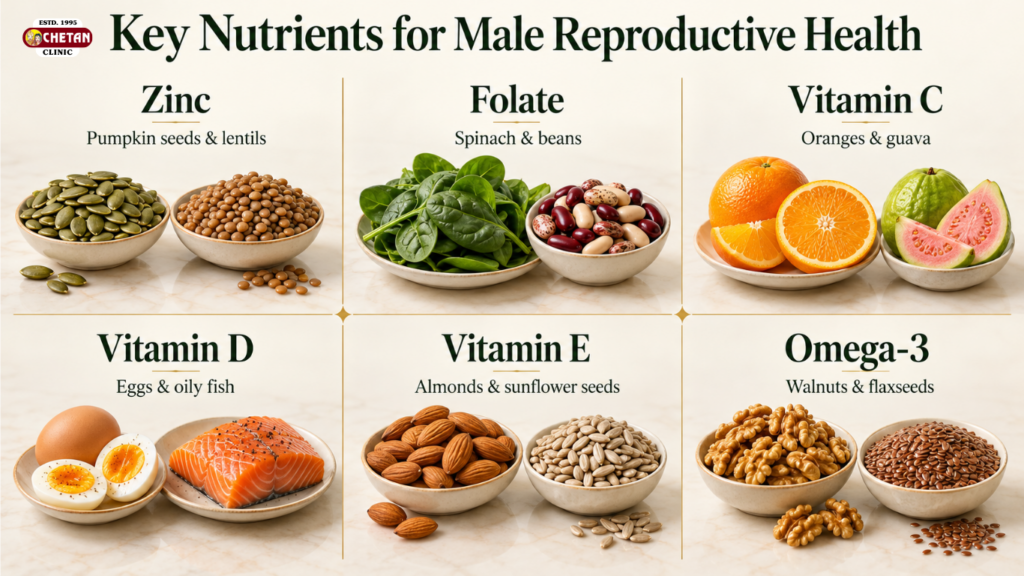
Important Nutrients for Male Fertility
A balanced diet is the foundation of good nutrition. Some nutrients are particularly relevant to normal reproductive functions.
1. Zinc
Zinc supports normal cell function, DNA synthesis and reproductive health. It is found in foods such as pumpkin seeds, beans, lentils, nuts, dairy products and seafood.
Although zinc is essential, taking extra zinc does not automatically increase sperm count. Excessive intake can cause side effects and interfere with copper absorption.
2. Folate
Folate, also known as vitamin B9, is necessary for DNA synthesis and cell division. Green leafy vegetables, beans, lentils and fortified foods are useful dietary sources.
Folate is important for general health, but evidence does not establish that folate supplements alone improve fertility outcomes in every man.
3. Vitamin C
Vitamin C contributes to normal immune function and protects cells from oxidative damage. Citrus fruits, guava, amla, capsicum and other fruits and vegetables provide this nutrient.
It is sometimes included in supplements to improve sperm quality, but the clinical benefits of antioxidant supplementation for male infertility remain uncertain.
4. Vitamin D
Vitamin D supports bone health, muscle function and other essential processes. Dietary sources include oily fish, egg yolks and fortified foods, while sunlight contributes to vitamin D production in the skin.
Men with suspected vitamin D deficiency should discuss appropriate assessment and supplementation with a healthcare professional.
5. Vitamin E and Omega-3 Fatty Acids
Vitamin E helps protect cells from oxidative damage. Nuts, seeds and vegetable oils are dietary sources.
Omega-3 fatty acids support normal cellular functions and are found in oily fish, walnuts, flaxseeds and chia seeds. These nutrients contribute to a balanced diet, but they should not be presented as guaranteed treatments for male infertility.
Can Supplements Improve Sperm Count and Sperm Quality?
Some studies have examined antioxidants, vitamins and minerals for their potential effects on semen parameters. However, results vary, and improvements in laboratory measurements do not necessarily translate into a higher chance of pregnancy.
The American Urological Association and American Society for Reproductive Medicine state that the clinical usefulness of supplements such as antioxidants and vitamins in treating male infertility remains questionable. The World Health Organization’s 2025 infertility guideline also makes no recommendation for or against antioxidant supplements for men with infertility because the evidence is insufficient.
Therefore, supplements for sperm count should not be selected solely on the basis of advertising claims. A medical evaluation can help identify whether a nutritional deficiency, hormonal issue, varicocele, infection or another factor may be affecting fertility.
Are Ayurvedic Supplements for Male Fertility Helpful?
Ayurveda takes a holistic approach to health, considering nutrition, daily routine, digestion, sleep and overall well-being. Certain Ayurvedic formulations are traditionally used to support aspects of male wellness.
However, traditional use does not by itself establish that a product improves sperm count, sperm motility or pregnancy rates. Scientific evidence differs between ingredients and formulations.
Before using Ayurvedic supplements for male fertility, consult a qualified practitioner who can review your health history, current medicines and fertility concerns. Choose products with transparent ingredient information and appropriate quality testing. Some herbal ingredients may interact with medicines or be unsuitable for people with particular health conditions.
An Ayurvedic approach should complement appropriate medical evaluation rather than delay the diagnosis or treatment of an underlying fertility problem.

How to Improve Male Fertility Naturally
Alongside appropriate medical advice, healthy daily habits can support general and reproductive health.
- Eat a balanced diet: Include vegetables, fruits, whole grains, pulses, nuts and suitable protein sources.
- Exercise regularly: Maintain physical activity and a healthy weight without excessive training.
- Prioritise sleep: Follow a consistent sleep schedule and aim for adequate rest.
- Avoid smoking: Tobacco use can adversely affect reproductive health.
- Limit alcohol: Reducing alcohol intake is a sensible step when planning pregnancy.
- Review medicines: Discuss prescription medicines, testosterone therapy and supplements with a qualified clinician. Testosterone taken externally can suppress sperm production.
- Manage stress: Relaxation, social support and healthy routines can help maintain overall well-being.
These habits support health but cannot correct every cause of infertility.
When Should Men Seek a Fertility Evaluation?
Consider consulting a qualified healthcare professional if pregnancy has not occurred after 12 months of regular, unprotected intercourse. Seek advice earlier if there are known reproductive conditions, previous testicular problems, sexual difficulties or other relevant medical concerns.
A fertility evaluation may include medical history, physical examination and semen analysis. Depending on the findings, additional hormone tests or other investigations may be recommended. Both partners may need assessment.
Avoid self-prescribing high-dose vitamins, minerals or herbal products. More supplementation is not always better, and some products may cause harm or interact with existing treatment.
Dr. Chetan Gupta’s Advice on Male Fertility
At Chetan Clinic, discussions about male reproductive health should begin with an individual understanding of the person’s concerns, lifestyle and medical history. Nutritional support may be useful when it addresses a genuine need, but no supplement should be assumed to work for every man.
A sensible approach includes balanced nutrition, healthy daily habits, appropriate investigations and guidance from a qualified healthcare professional. Men concerned about sperm count or sperm quality should seek an assessment rather than relying exclusively on products marketed for fertility.
Frequently Asked Questions
1. What are the best male fertility supplements?
There is no single supplement that is best for every man. The appropriate choice depends on nutritional status, medical history and clinical findings. Evidence supporting supplements for improved fertility outcomes remains limited.
2. Which vitamins are important for male fertility?
Zinc, folate, vitamins C and D, and vitamin E contribute to important normal body functions. A varied diet is the preferred starting point, while supplementation should be based on individual needs.
3. Can supplements increase sperm count naturally?
Supplements may help address certain nutritional deficiencies, but they cannot guarantee an increase in sperm count. A semen analysis and appropriate clinical evaluation can help identify possible causes of low sperm count.
4. Are Ayurvedic supplements safe for male fertility?
Safety depends on the ingredients, dose, product quality and an individual’s health conditions. Consult a qualified practitioner and avoid products promising guaranteed fertility results.
5. How long does it take to improve sperm quality?
Sperm development takes approximately two to three months. Changes in lifestyle or treatment may take time to be reflected in semen parameters, and outcomes vary between individuals.
6. When should I consult a fertility specialist?
Seek an evaluation if pregnancy has not occurred after 12 months of regular, unprotected intercourse, or earlier when medical history or symptoms suggest a fertility concern.
Conclusion
Male fertility supplements may be relevant when a specific nutritional need has been identified, but they are not a guaranteed solution for infertility. A balanced diet, healthy lifestyle, responsible supplement use and timely medical evaluation provide a more reliable foundation for reproductive health.
If you are concerned about sperm count, sperm motility or other fertility-related issues, consult a qualified healthcare professional to understand the next appropriate steps.