
If you want to know how to make sperm stronger for pregnancy, start with a balanced diet, regular exercise, adequate sleep, healthy weight management and avoiding smoking and tobacco. These habits can support sperm health and overall male fertility. Sperm count, motility and shape are important factors in reproductive health, but no food or supplement guarantees pregnancy. If conception is taking longer than expected, a semen analysis can help identify possible fertility concerns.
What Does Strong Sperm Mean for Pregnancy?
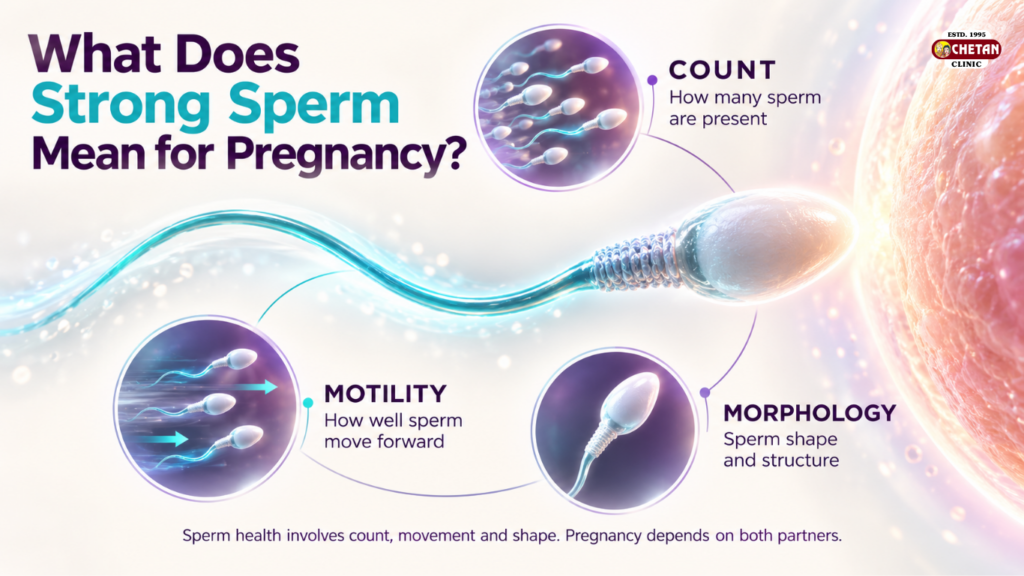
Strong sperm is a common term used to describe healthy sperm that can move effectively and potentially fertilise an egg. Medically, sperm quality is assessed through parameters such as sperm count, motility and morphology.
Sperm count refers to the number of sperm in a semen sample. Sperm motility describes how effectively sperm move, while morphology refers to their shape and structure. These factors help healthcare professionals assess male reproductive health.
Healthy sperm can contribute to the chances of conception, but pregnancy also depends on ovulation, the female partner’s reproductive health, age and the timing of intercourse.
How to Make Sperm Stronger for Pregnancy Naturally
Several everyday habits may help support sperm health. The results vary depending on individual health, lifestyle and any underlying medical conditions.
1. Eat a Balanced, Nutrient-Rich Diet
A nutritious diet provides essential vitamins, minerals, protein and antioxidants that support normal body functions, including reproductive health. Include fruits, vegetables, whole grains, lentils, nuts, seeds and suitable protein sources in your daily meals.
Foods such as guava, oranges, leafy greens, walnuts, almonds and pumpkin seeds provide different nutrients that contribute to overall health. Following a balanced eating pattern is a practical way to support male fertility without depending on a single food or home remedy.
2. Include Nutrients That Support Sperm Quality
Certain nutrients play important roles in normal reproductive function. Zinc supports normal reproductive health, folate contributes to cell division, and vitamin C provides antioxidant activity. Vitamin B12 and omega-3 fatty acids also contribute to general health.
A varied diet can help supply these nutrients. However, taking additional supplements does not necessarily improve sperm quality if nutritional levels are already adequate. Consult a qualified healthcare professional before taking high-dose supplements for fertility.
3. Exercise Regularly and Maintain a Healthy Weight
Regular physical activity supports metabolic health and helps maintain a healthy body weight. Brisk walking, swimming, cycling and appropriate strength exercises can form part of a sustainable routine.
Excess body weight and certain metabolic conditions may be associated with poorer semen parameters. Gradual weight management and consistent exercise may support reproductive health more effectively than crash diets or extreme workouts.
4. Get Enough Sleep and Manage Stress
Adequate sleep supports hormonal regulation, energy and overall well-being. Ongoing stress can also affect sleep, sexual health and daily habits.
Maintain a regular sleep schedule and consider relaxation techniques such as yoga, meditation or breathing exercises. These practices can support general health, although stress management alone cannot treat every cause of male infertility.
5. Avoid Smoking, Tobacco and Excessive Alcohol
Smoking and tobacco use are associated with poorer sperm quality and increased oxidative stress. Heavy alcohol consumption may also affect reproductive and hormonal health.
Men planning a pregnancy should consider quitting smoking and tobacco and avoiding excessive alcohol. Non-prescribed testosterone and anabolic steroids should also be avoided because they can suppress the body’s natural sperm production.
Best Foods to Improve Sperm Quality
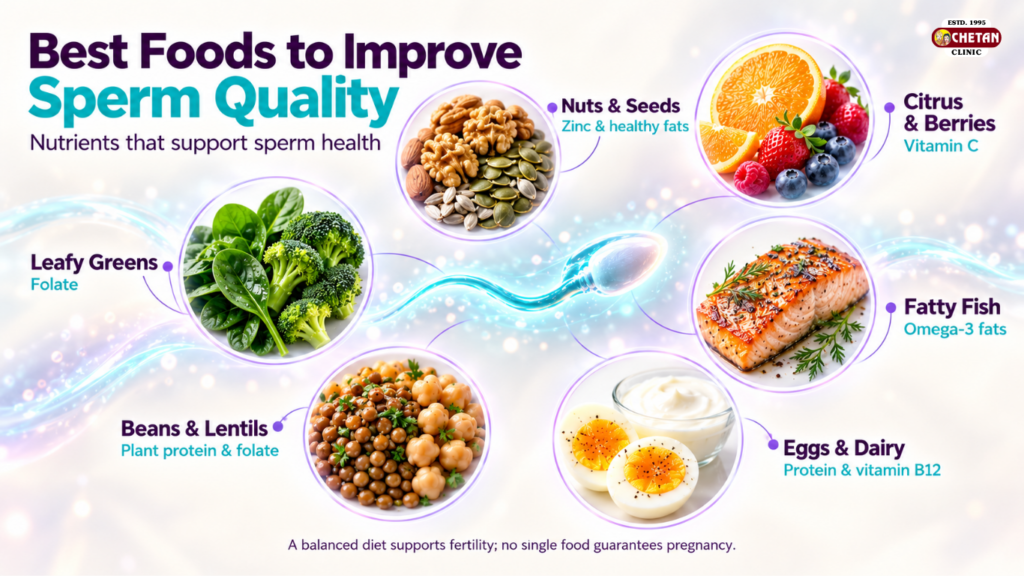
A balanced male fertility diet can include a variety of nutrient-rich foods.
- Walnuts and almonds: Provide healthy fats and other nutrients.
- Pumpkin seeds: Supply zinc and additional minerals.
- Fruits such as guava and oranges: Provide vitamin C and other antioxidants.
- Green leafy vegetables: Supply folate and other micronutrients.
- Lentils and beans: Provide plant protein, folate and minerals.
- Eggs, dairy products or suitable alternatives: Contribute protein and other essential nutrients.
- Fish, where appropriate: Provides protein and, in oily varieties, omega-3 fatty acids.
These foods can support a healthy diet, but no particular food guarantees an increase in sperm count or pregnancy rates.
Can Ayurvedic Lifestyle Practices Support Male Fertility?
Ayurveda emphasises balanced nutrition, regular daily routines, adequate rest and individualised care. These principles can complement healthy lifestyle habits for men planning a pregnancy.
At Chetan Clinic, men concerned about reproductive health can explore the importance of understanding their symptoms and seeking appropriate professional guidance. Ayurvedic herbs and formulations should be selected carefully because evidence for specific fertility benefits varies, and some products may cause side effects or interact with medicines.
Dr. Chetan Gupta emphasises the importance of understanding individual reproductive health concerns rather than relying only on claims about sperm strength. Persistent fertility concerns may require appropriate testing and evaluation alongside healthy lifestyle practices.
How Long Does It Take to Improve Sperm Health?
Sperm development takes approximately two to three months. Therefore, changes in diet, exercise and other lifestyle habits may take around three months or longer to be reflected in semen analysis results.
The timeline varies according to the underlying cause. Lifestyle changes may not resolve fertility problems caused by hormonal disorders, genetic conditions, infections or physical blockages. If a semen analysis is abnormal, a healthcare professional may recommend further evaluation or repeat testing.
When Should You Get a Semen Analysis?
A semen analysis assesses sperm concentration, movement, shape and other characteristics. It is one of the main tests used to investigate male fertility.
Consider seeking a fertility evaluation if pregnancy has not occurred after 12 months of regular, unprotected intercourse, or after six months if the female partner is aged 35 or older. Earlier assessment may be appropriate if either partner has a known reproductive condition or other fertility concerns.
A low sperm count does not automatically mean pregnancy is impossible, and normal semen results do not guarantee conception. Both partners may need evaluation to understand the factors affecting pregnancy.
Frequently Asked Questions
1. Does sperm thickness indicate better fertility?
No. Semen thickness alone does not determine fertility. Sperm count, motility, morphology and other semen parameters are more useful for evaluating male reproductive health.
2. Can daily ejaculation affect sperm quality?
Frequent ejaculation can temporarily affect semen volume and sperm count per ejaculation. However, its effect varies, and daily ejaculation does not automatically cause infertility.
3. Does sperm colour indicate sperm health?
Semen is typically whitish-grey, but colour alone cannot confirm sperm health or fertility. Persistent unusual colour, blood in semen or associated pain should be assessed by a healthcare professional.
4. Can dehydration affect semen quality?
Dehydration may affect general health and can influence semen volume in some circumstances. Drinking enough water supports normal body functions, but extra water alone is not a proven treatment for poor sperm quality.
5. Can a man improve sperm health after the age of 40?
Yes, healthy lifestyle changes may support reproductive health at any age. However, age can affect sperm quality, so men with fertility concerns should seek an appropriate evaluation.
Conclusion
Understanding how to make sperm stronger for pregnancy begins with healthy daily habits, balanced nutrition and awareness of male reproductive health. Eating nutritious foods, exercising regularly, maintaining a healthy weight and avoiding tobacco can support sperm quality, although individual results vary.
If pregnancy is delayed, avoid relying only on home remedies or supplements. A semen analysis and appropriate fertility evaluation can help identify potential problems and guide the next steps towards conception.