

Low sex libido in men means a noticeable reduction in interest or desire for sexual activity. It can be influenced by mental stress, hormonal changes, poor sleep, relationship concerns and underlying health conditions. Understanding why sexual desire has changed is more useful than immediately trying supplements or remedies.
Why Does Sexual Desire Change Over Time?
Sexual desire is not constant throughout life. Some men experience periods of increased interest, while others notice a gradual or sudden decrease in their sexual motivation. These changes can happen at different ages and do not always indicate a medical problem.
However, when low sex drive in men becomes persistent or starts affecting confidence, relationships or emotional well-being, it deserves attention.
Sexual desire is influenced by several interconnected systems, including the brain, hormones, nervous system and emotional health. This is why reduced interest in intimacy cannot always be explained by one physical factor.
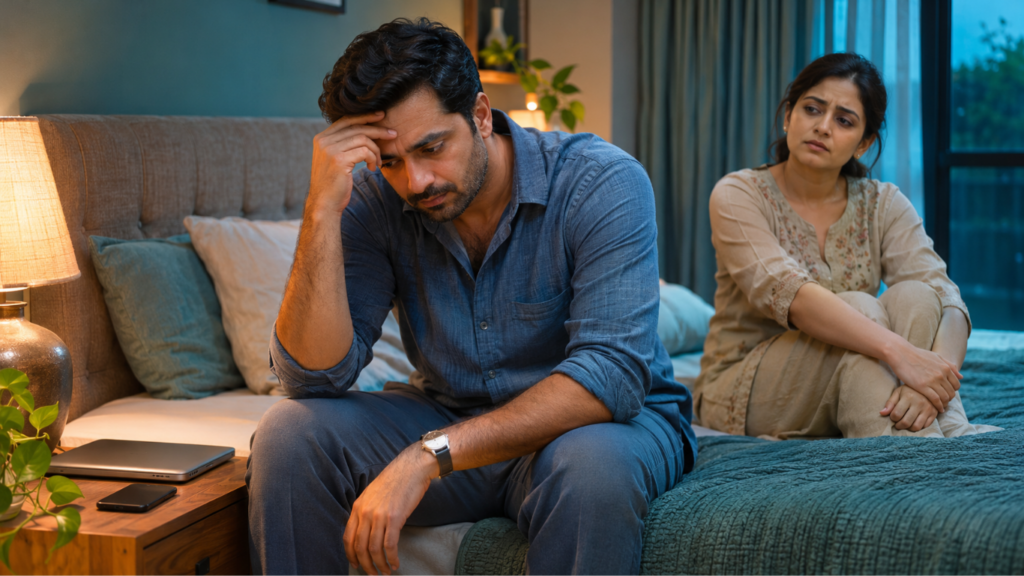
When Stress Starts Affecting Your Sexual Interest
The connection between mental health and sexual desire is often underestimated. Work pressure, financial responsibilities, family concerns and anxiety can occupy the mind and reduce interest in intimacy.
When the body remains under prolonged stress, emotional relaxation becomes difficult. Some men may also experience performance-related anxiety, making intimate situations feel stressful rather than comfortable.
This can contribute to reduced sexual desire in men, even when there is no obvious physical health problem.
Recognising emotional stress and addressing it through relaxation, healthy communication or professional support can be an important part of improving sexual well-being.
Testosterone Is Important, But It Is Not the Whole Story
Testosterone is a major hormone involved in male sexual development and desire. Lower-than-normal testosterone levels may contribute to reduced sexual interest, fatigue, low mood and other symptoms.
However, assuming that every case of low libido in men is caused by low testosterone can be misleading.
Sexual desire is also influenced by sleep quality, metabolic health, medications, psychological well-being and relationship experiences.
If a hormonal problem is suspected, a healthcare professional may recommend blood testing. Testosterone deficiency should be assessed using symptoms and appropriately timed, usually repeat morning, testosterone measurements rather than symptoms alone.
Why You May Have Low Libido Even When You Feel Physically Healthy
Some men notice a reduction in sexual interest despite feeling generally fit and active. This can happen because sexual wellness involves more than physical strength or fitness.
For example:
- Irregular sleep schedules may affect energy and hormonal regulation.
- Excessive screen time and mental stimulation may interfere with relaxation.
- Relationship dissatisfaction may reduce emotional intimacy.
- Certain medications may influence sexual desire.
- Chronic health conditions may affect hormonal and metabolic health.
These factors can contribute to signs of low libido, even when a person does not feel seriously unwell.
It is also important to distinguish reduced sexual desire from erectile dysfunction. A man may have normal erections but little interest in sex, or he may experience erection difficulties while maintaining sexual desire.
Can Your Daily Routine Influence Male Sexual Desire?
Everyday habits can play an important role in maintaining overall sexual health. While no particular food or exercise guarantees increased libido, healthy routines support the systems involved in physical and emotional well-being.
Consider these practical changes:
Prioritise quality sleep: Aim for approximately 7–9 hours of sleep each night. Consistent sleep timings may support better energy and mood.
Choose balanced nutrition: Include fruits, vegetables, whole grains, nuts, seeds and adequate protein in your meals. Correcting nutritional deficiencies can support general health.
Stay physically active: Walking, cycling and strength training can improve cardiovascular fitness, metabolic health and emotional well-being.
Limit alcohol and avoid smoking: Excessive alcohol and tobacco use can negatively affect overall health and sexual functioning.
Make time for relaxation: Yoga, meditation and breathing exercises may help manage everyday stress.
These habits are practical natural ways to improve male libido, although persistent sexual concerns may require professional assessment.
Understanding Sexual Desire Through an Ayurvedic Perspective
Ayurveda approaches male wellness through the relationship between nutrition, digestion, lifestyle and mental balance. Traditional concepts such as Agni, Dosha balance and Vajikarana are discussed in connection with vitality and reproductive wellness.
From an Ayurvedic perspective, individual assessment is important because two men experiencing similar concerns may have different health histories, dietary habits and lifestyle patterns.
Traditional Ayurvedic formulations and herbs should therefore not be selected simply because they are marketed for sexual performance. Their suitability, safety and potential interactions need consideration under qualified professional guidance.
Scientific evidence for individual Ayurvedic treatments for reduced sexual desire varies, so Ayurveda should not replace necessary medical investigation or prescribed treatment.
Dr. Chetan Gupta’s Perspective on Male Sexual Wellness
Vaidya Dr. Chetan Gupta believes that changes in sexual desire should be understood as part of an individual’s overall health rather than judged only through sexual performance.
One important consideration is whether the change is temporary or persistent. Men should also consider changes in sleep, stress, medications, energy levels and emotional well-being.
Comparing sexual desire with other people can create unnecessary anxiety because there is no universal level of sexual interest that is normal for every man.
An individualized approach, supported by appropriate health evaluation and responsible Ayurvedic guidance, can help men make better decisions about their well-being.
When Should You Take Reduced Sexual Desire Seriously?
A temporary decrease in sexual interest may not require treatment. However, professional consultation is advisable when reduced desire persists, causes distress or occurs alongside unexplained fatigue, mood changes, hormonal symptoms or other health concerns.
A healthcare professional can review medical history, medications and lifestyle factors and recommend investigations when appropriate.
Understanding the underlying reason is more useful than relying on unverified male libido boosters or self-prescribed supplements.
Frequently Asked Questions
1. Is low sex libido common in men?
Yes. Changes in sexual desire can occur at different ages. Stress, health conditions, medications and hormonal changes may contribute.
2. Can low sex libido be temporary?
Yes. Temporary changes may occur during stressful periods, illness, sleep disruption or relationship difficulties.
3. Does ageing always cause low sexual desire?
No. Although hormonal and physical changes can occur with age, reduced sexual desire is not inevitable.
4. Can exercise help improve libido?
Regular physical activity supports cardiovascular health, mood and metabolic function, which may contribute to overall sexual wellness.
5. Is low libido the same as erectile dysfunction?
No. Low libido means reduced sexual interest, while erectile dysfunction involves difficulty achieving or maintaining an erection.
Final Thoughts
Low sex libido is not always a sign of poor sexual health, but persistent changes should not be ignored. Mental well-being, hormonal health, sleep, relationships and daily habits can all influence sexual desire.
Instead of immediately searching for quick solutions, understanding what has changed in your body and lifestyle is a better starting point. Appropriate professional guidance can help identify possible causes and support long-term male sexual wellness.
For individual guidance on male sexual health, consult Vaidya Dr. Chetan Gupta at Chetan Clinic.