
Maintaining sexual health after 50 involves taking care of physical fitness, blood circulation, hormonal balance, prostate health and emotional well-being. Healthy eating, regular exercise, quality sleep and timely medical check-ups can help men maintain intimacy, confidence and overall wellness as they age.
Turning 50 does not mean the end of an active or satisfying intimate life. However, men may notice changes in sexual desire, erection quality or physical response as they grow older. These changes can be associated with ageing, hormonal variations, blood circulation, existing health conditions and emotional factors.
The key to maintaining Sexual Health is understanding these changes and taking practical steps to support long-term health. Rather than considering every sexual difficulty a normal part of ageing, men should pay attention to persistent symptoms and seek appropriate medical guidance.
1. Understand How Ageing Affects Sexual Health
Ageing can influence several body functions, including sexual response. Some men may take longer to become aroused, experience changes in erection firmness or notice a difference in sexual desire.
However, these changes are not always caused by ageing alone. Diabetes, high blood pressure, cardiovascular conditions, stress and certain medications can also affect sexual function.
Understanding the difference between normal age-related changes and possible health problems is an important part of Sexual Health After 50. Persistent difficulties should be discussed with a qualified healthcare professional rather than ignored.
2. Improve Blood Circulation for Better Erectile Health
Healthy blood circulation plays an essential role in achieving and maintaining an erection. During sexual arousal, increased blood flow to the penis helps produce an erection.
As men grow older, conditions such as high cholesterol, diabetes and hypertension can affect blood vessels and circulation. This may contribute to erectile difficulties.
To support Erectile Health After 50, consider these habits:
- Walk regularly or participate in suitable physical activities.
- Monitor blood pressure, cholesterol and blood sugar.
- Avoid smoking and tobacco products.
- Maintain a healthy body weight.
- Follow medical advice for existing cardiovascular conditions.
Remember that persistent erectile difficulties may sometimes indicate an underlying cardiovascular or metabolic problem.
3. Understand Changes in Sexual Desire and Hormones
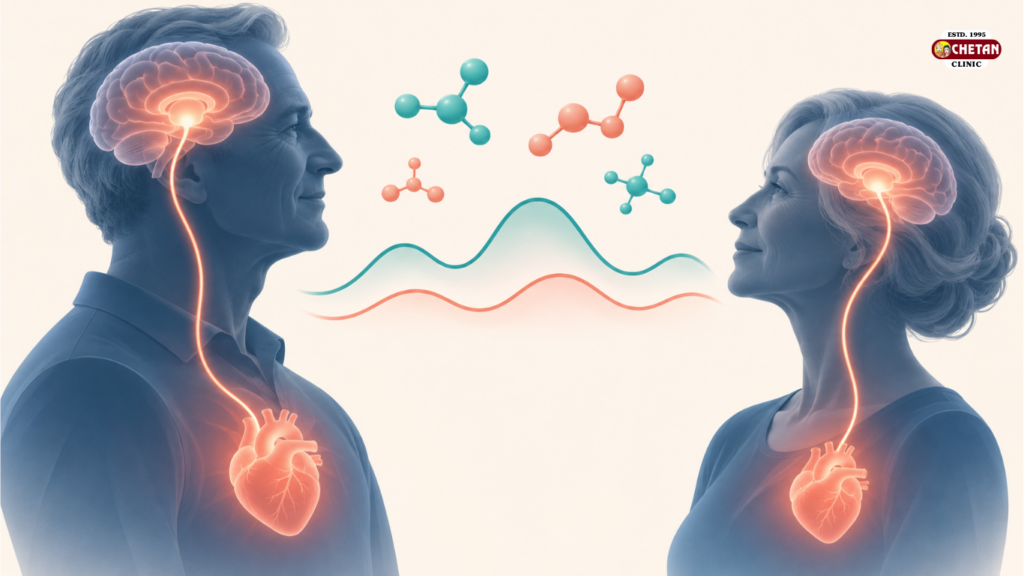
Sexual desire can change with age, but there is no single explanation for reduced interest in intimacy. Hormonal changes, relationship concerns, anxiety, poor sleep and certain medications may influence sexual desire.
Testosterone is an important hormone associated with male sexual development and libido. However, not every man experiencing reduced sexual desire has low testosterone.
If you notice a persistent reduction in sexual interest, consult a doctor for an appropriate assessment. Hormone testing may be recommended when symptoms indicate a possible deficiency.
Understanding Male Sexual Wellness requires looking at physical, hormonal and emotional health together.
4. Pay Attention to Prostate and Urinary Health
Prostate health becomes an important consideration as men grow older. Some men experience urinary symptoms such as frequent urination, difficulty starting urination, a weak urine stream or waking up several times at night.
These symptoms may be associated with an enlarged prostate or other urinary conditions. Although prostate problems are not the same as sexual dysfunction, both concerns can sometimes occur together.
Men experiencing persistent urinary changes should seek medical evaluation. Early assessment can help identify the underlying cause and determine whether treatment is necessary.
5. Follow Daily Habits That Support Sexual Wellness
A healthy lifestyle supports cardiovascular health, energy levels and general physical well-being. These factors also contribute to Sexual Wellness for Men Over 50.
Some practical habits include:
Eat a Balanced Diet: Include vegetables, seasonal fruits, whole grains, nuts, healthy fats and adequate protein. A balanced diet supports overall metabolic and cardiovascular health.
Stay Physically Active: Walking, swimming, cycling and strength exercises can support fitness and circulation. Choose activities according to your health and physical ability.
Maintain Healthy Sleep: Aim for a consistent sleep schedule and address persistent sleep difficulties. Poor sleep can affect energy, mood and sexual desire.
Manage Stress: Relaxation techniques, meditation and enjoyable activities may help reduce stress and performance anxiety.
Maintain a Healthy Weight: Sustainable dietary and exercise habits can help reduce the risk of conditions that affect sexual function.
These Sexual Health Tips for Men are useful for supporting overall wellness rather than promising a guaranteed improvement in sexual performance.
6. Maintain Emotional Connection and Sexual Confidence
Sexual wellness is not measured only by erection firmness or physical performance. Emotional connection, communication, mutual comfort and confidence are equally important.
After 50, some men may experience performance anxiety because of changes in their sexual response. Worrying excessively about performance can create additional stress and affect intimacy.
Open communication with your partner can help reduce misunderstandings and build a comfortable relationship. If anxiety or relationship difficulties continue, professional counselling may be helpful.
A satisfying intimate life involves emotional well-being as well as physical health.
7. Be Careful With Sexual Health Supplements and Products
Products marketed for stamina, erection strength and increased sexual desire are widely available. However, not every product has reliable scientific evidence supporting its claims.
Some supplements may interact with prescription medicines or create health risks, particularly for men with heart conditions, diabetes or other chronic illnesses.
Before using products promoted for Improving Sexual Health Naturally, consult a qualified healthcare professional. Do not replace prescribed treatment with unverified supplements or stop medication without medical advice.
8. Which Health Tests Should Men Consider After 50?
Preventive healthcare can help identify conditions that may influence sexual function and general well-being.
Depending on medical history and symptoms, a doctor may recommend:
- Blood pressure measurement.
- Blood sugar or HbA1c testing.
- Cholesterol profile.
- Testosterone testing when clinically indicated.
- Prostate evaluation when urinary symptoms or other clinical indications are present.
Not every man requires all these tests. A healthcare professional can recommend appropriate investigations based on individual risk factors.
Common Sexual Health Problems in Older Men
Some concerns that men may experience include:
- Erectile Dysfunction: Difficulty achieving or maintaining an erection.
- Low Sexual Desire: Reduced interest in sexual activity due to possible physical, hormonal or psychological factors.
- Changes in Ejaculation: Changes in ejaculation patterns that may be associated with ageing, medications or health conditions.
- Urinary Problems: Frequent urination, weak urine flow or difficulty emptying the bladder.
These Sexual Health Problems in Older Men can have different causes and should be evaluated individually.
Dr. Chetan Gupta’s Advice
Vaidya Dr. Chetan Gupta, BAMS and Ayurvedic Sexologist, advises men over 50 to pay attention to changes in their sexual and general health instead of ignoring persistent symptoms. Maintaining a balanced lifestyle, staying physically active, managing stress and seeking timely medical guidance are important steps towards long-term wellness. Sexual health should be approached as part of overall health rather than focusing only on physical performance.
When Should You Consult a Doctor?
Consult a qualified healthcare professional if you experience repeated erection difficulties, a persistent reduction in sexual desire, painful ejaculation, blood in urine or semen, or ongoing urinary problems.
Erectile difficulties can sometimes be an early indicator of cardiovascular or metabolic health concerns. Timely evaluation helps identify possible underlying conditions and determine appropriate treatment.
Frequently Asked Questions (FAQs)
Q1. Is it possible to maintain sexual health after 50?
Yes. Many men enjoy a satisfying intimate life after 50. Healthy lifestyle habits, management of existing medical conditions and appropriate healthcare can support sexual wellness.
Q2. What causes changes in sexual performance after 50?
Possible factors include changes in blood circulation, hormonal variations, diabetes, cardiovascular conditions, stress, poor sleep and certain medications.
Q3. Can men remain sexually active after 50?
Yes. Age alone does not determine whether a man can remain sexually active. Physical health, emotional well-being and individual circumstances all play a role.
Q4. Does low testosterone always cause sexual problems?
No. Reduced testosterone may contribute to low sexual desire in some men, but sexual difficulties can have several other causes. Medical assessment and appropriate testing are important.
Q5. Can erectile dysfunction after 50 be treated?
Yes. Treatment depends on the underlying cause and may include lifestyle modifications, counselling or prescribed medication following medical evaluation.
Conclusion
Maintaining Sexual Health after 50 requires a balanced approach to physical fitness, blood circulation, hormonal health, prostate care and emotional well-being. Healthy daily habits and preventive medical check-ups can help men manage age-related changes and recognise potential health concerns.
Growing older does not mean giving up on intimacy, confidence or quality of life. Understanding your body, avoiding unverified quick-fix products and seeking timely professional advice can help support a healthier and more satisfying life.