

How Can You Regain Your Virility?
To regain your virility, focus on balanced nutrition, regular exercise, quality sleep, stress management, and overall physical health. Male virility includes several aspects of sexual wellness, such as sexual desire, erectile function, reproductive health, and sexual confidence. Persistent erection difficulties, low libido, or ongoing fatigue may indicate an underlying health concern. A qualified healthcare professional can help identify possible causes and recommend appropriate treatment.
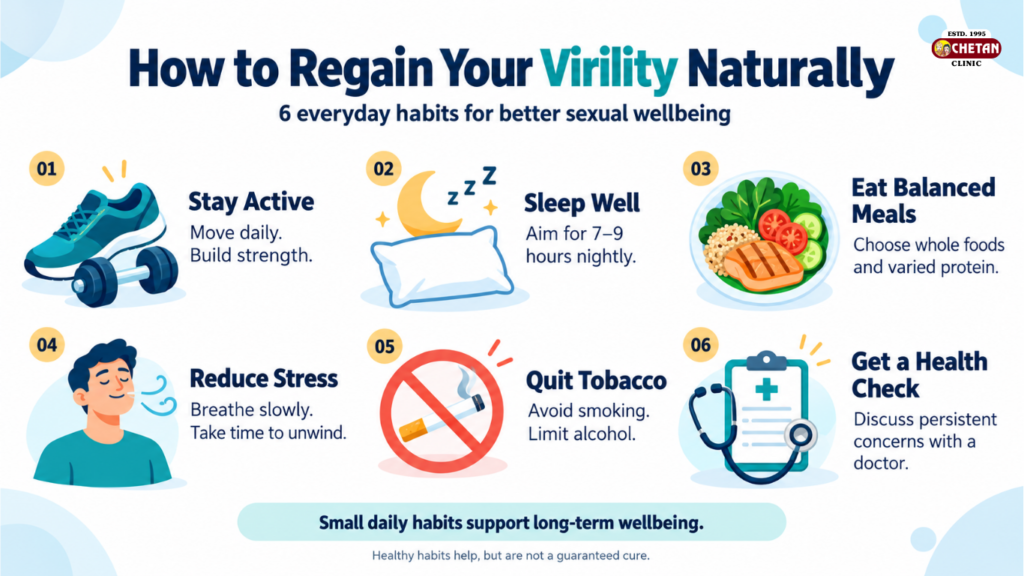
Introduction: Understanding Male Virility
Male sexual health is an important part of overall well-being. However, stress, ageing, lifestyle habits, relationship concerns, and certain medical conditions can influence sexual desire, erectile function, and confidence.
These changes may lead men to search for ways to regain your virility and improve their intimate lives. It is important to understand that virility is not a measure of masculinity. Sexual health varies between individuals and may change at different stages of life.
A balanced approach to male sexual wellness includes healthy daily habits, attention to emotional well-being, and professional guidance when needed. Ayurveda may offer an individualised wellness perspective, but treatment choices should be based on personal health needs, safety, and available evidence.
What Can Affect Male Sexual Health?
Several physical, psychological, and lifestyle factors can affect male vitality and sexual function.
1. Stress and Anxiety
Work pressure, financial concerns, relationship difficulties, and performance anxiety may reduce sexual desire or interfere with erections. Persistent anxiety can also create a cycle in which worrying about sexual performance makes intimacy more difficult.
2. Poor Sleep and Fatigue
Insufficient or irregular sleep can contribute to fatigue, reduced concentration, and changes in sexual desire. Ongoing tiredness may also be associated with conditions that require medical assessment.
3. Unhealthy Lifestyle Habits
Smoking, excessive alcohol consumption, physical inactivity, and an unbalanced diet can negatively affect cardiovascular and metabolic health. Healthy blood circulation is particularly important for normal erectile function.
4. Medical Conditions and Medication Effects
Diabetes, high blood pressure, cardiovascular disease, obesity, and certain hormonal conditions may contribute to sexual difficulties. Some prescribed medicines can also affect libido or erections.
Do not stop or change prescribed medication without consulting your healthcare professional.
Understanding the possible cause is more useful than relying on products that promise immediate sexual enhancement.
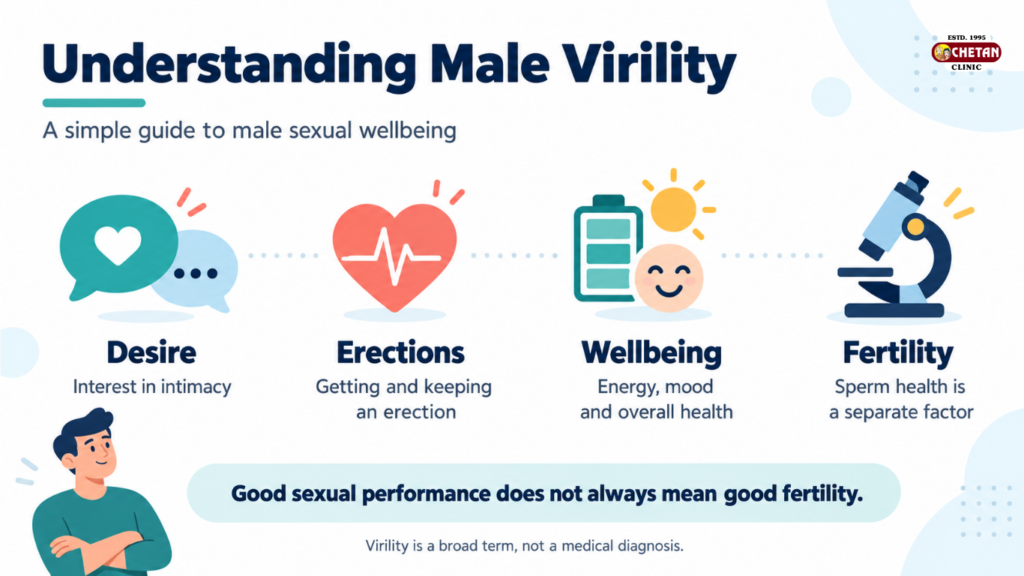
How to Regain Your Virility Naturally
Healthy lifestyle changes can support general well-being and may improve some factors associated with male sexual health. Results depend on individual circumstances and the underlying cause of any symptoms.
1. Follow a Balanced and Nutritious Diet
A balanced diet supports energy levels, cardiovascular health, and normal metabolic function. Include a variety of vegetables, fruits, whole grains, pulses, nuts, seeds, and suitable sources of protein in your daily meals.
Healthy eating habits may also help maintain a healthy weight and reduce certain risk factors associated with erectile dysfunction.
No single food can guarantee better erections, increased testosterone, or improved sexual stamina. Instead, focus on consistent eating habits and an overall nutritious diet.
2. Exercise Regularly
Regular physical activity supports circulation, cardiovascular fitness, weight management, and emotional well-being. Walking, cycling, swimming, and other suitable aerobic activities can form part of a healthy routine.
Strength training may also support general fitness. Begin at a comfortable level and increase activity gradually. If you have an existing medical condition or have been inactive for a long time, seek professional advice before beginning an intensive exercise programme.
3. Prioritise Quality Sleep
Adequate sleep is an important part of physical recovery and emotional health. Try to maintain a consistent bedtime, create a relaxing evening routine, and reduce activities that interfere with restful sleep.
If you regularly experience poor sleep, loud snoring, or excessive daytime sleepiness, discuss these symptoms with a healthcare professional.
4. Manage Stress and Emotional Well-Being
Mental and emotional health can influence sexual desire, confidence, and performance. Meditation, gentle yoga, breathing exercises, and enjoyable recreational activities may help manage everyday stress.
If anxiety, depression, or relationship difficulties are affecting intimacy, counselling or appropriate mental health support may be beneficial.
Improving sexual confidence often requires addressing emotional concerns rather than focusing exclusively on physical performance.
5. Avoid Smoking and Limit Alcohol
Smoking can damage blood vessels and increase cardiovascular risk. Excessive alcohol consumption may interfere with sexual desire, erections, and general health.
Avoiding tobacco and limiting alcohol can support long-term well-being. These changes may be particularly useful for men who have lifestyle-related risk factors for erectile difficulties.
Can Ayurveda Help Support Male Sexual Wellness?
Ayurveda traditionally considers diet, sleep, daily routines, digestion, and individual health when developing a personalised wellness approach. Certain Ayurvedic practices may be considered as part of a broader plan for male vitality and general well-being.
However, it is important to distinguish traditional use from established clinical evidence. Evidence for specific herbs and Ayurvedic preparations varies, and a product should not automatically be assumed to treat erectile dysfunction, low testosterone, or infertility.
Before using an Ayurvedic medicine or supplement, consult a qualified practitioner, particularly if you take prescription medicines or have an existing health condition. Herbal products can have side effects, interactions, or quality concerns.
Avoid unverified products that promise guaranteed erections, instant stamina, permanent sexual enhancement, or dramatic increases in penis size.
Expert Perspective: Vaidya Dr. Chetan Gupta
Vaidya Dr. Chetan Gupta, BAMS, Ayurvedic Sexologist and Counselor, can provide a professional perspective on personalised assessment and responsible Ayurvedic guidance. Understanding an individual’s concerns, medical history, lifestyle, and treatment needs is an important step before considering an appropriate wellness plan.
Men experiencing persistent sexual difficulties should not rely solely on self-medication. A qualified professional can help determine whether further medical assessment, lifestyle changes, counselling, or other appropriate care may be needed.
When Should You Consult a Specialist?
Occasional changes in sexual performance do not necessarily indicate a serious problem. However, recurring or persistent symptoms deserve attention.
Consider consulting a qualified healthcare professional if you experience:
- Frequent difficulty achieving or maintaining an erection.
- A persistent reduction in sexual desire.
- Ongoing fatigue accompanied by other symptoms.
- Concerns about fertility or reproductive health.
- Sexual difficulties that cause significant distress or affect your relationship.
An assessment may include a review of symptoms, medical history, current medicines, and relevant tests when indicated. Depending on the findings, the healthcare professional may investigate blood sugar, cardiovascular risk factors, or hormonal concerns.
Early assessment can help identify treatable causes and guide appropriate care.
Frequently Asked Questions
1. How can I regain my virility naturally?
Focus on regular exercise, balanced nutrition, sufficient sleep, stress management, and avoiding tobacco. These habits support overall health and may improve some factors associated with sexual function. Persistent difficulties should be evaluated by a qualified professional.
2. Which foods support male sexual health?
Vegetables, fruits, whole grains, pulses, nuts, seeds, and suitable protein sources can support general and cardiovascular health. No individual food guarantees stronger erections, higher testosterone, or better sexual stamina.
3. Can Ayurveda help with male sexual wellness?
Ayurveda may offer an individualised approach to general wellness. However, the evidence and suitability of specific treatments vary. Consult a qualified practitioner before using Ayurvedic medicines or supplements, particularly if you take other medicines.
4. Does reduced virility always mean low testosterone?
No. Sexual difficulties may be associated with stress, vascular problems, diabetes, medication effects, relationship concerns, or hormonal changes. Testosterone testing may be appropriate when symptoms and clinical assessment indicate it.
5. Can exercise improve erectile function?
Regular physical activity can support cardiovascular health, circulation, and weight management. These benefits may help some men with erectile difficulties, although exercise alone may not address every underlying cause.
6. When should I seek medical help for erectile difficulties?
Seek professional advice if erection problems occur repeatedly, persist, or cause concern. A healthcare professional can assess potential causes and discuss suitable treatment options.
Conclusion: Take a Balanced Approach to Regaining Your Virility
To regain your virility, start by supporting your physical and emotional health. A nutritious diet, regular physical activity, restorative sleep, stress management, and avoidance of tobacco can contribute to long-term well-being.
Remember that male sexual health is influenced by several factors, and there is no universal solution for every individual. Persistent erectile difficulties, reduced libido, or other concerning symptoms deserve professional assessment rather than self-medication.
Choose evidence-informed care, realistic expectations, and personalised guidance. A responsible approach can help you make better decisions about male sexual wellness and overall health.