
Quick Answer: How many sperm cells in male ejaculate? According to the World Health Organization (WHO) 2021 reference values, the lower reference limit for total sperm count is 39 million sperm per ejaculation, while the lower reference limit for sperm concentration is 16 million sperm per millilitre of semen. These values are reference points and do not independently determine fertility.
Introduction
Sperm count is an important aspect of male reproductive health. Men often wonder how many sperm cells are released during ejaculation and whether their sperm count is normal. Understanding these measurements can be especially helpful for couples planning a pregnancy.
The number of sperm in an ejaculate varies depending on semen volume, sperm concentration, reproductive health and other factors. Learning about normal sperm count per ejaculation, sperm quality and semen testing can help men make informed decisions about their reproductive health.
How Many Sperm Cells in Male Ejaculate?
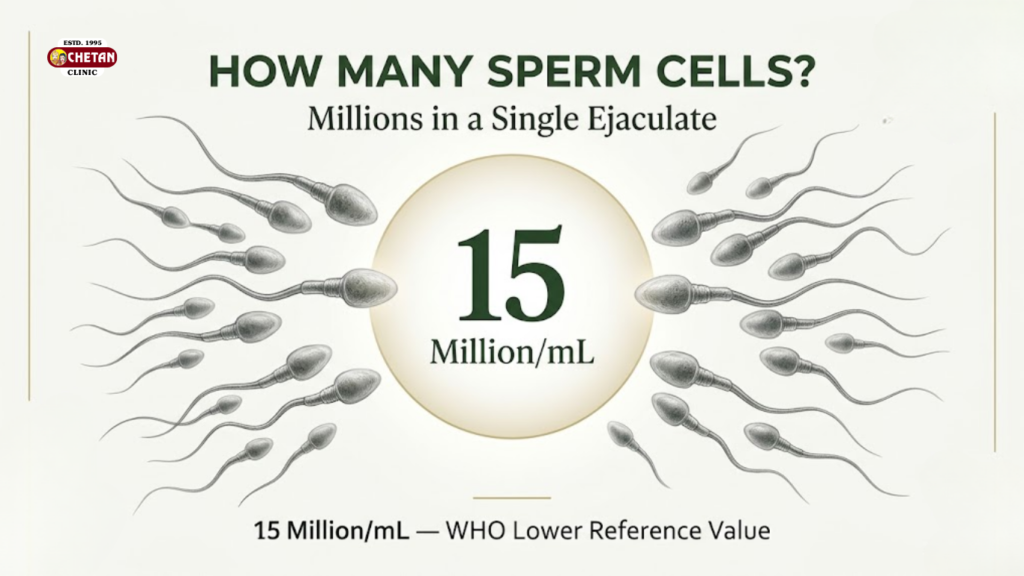
The answer to how many sperm cells in male ejaculate varies from person to person. According to WHO’s sixth edition laboratory manual, published in 2021, the lower reference limits for key semen parameters are:
- Total sperm count: 39 million sperm per ejaculation.
- Sperm concentration: 16 million sperm per millilitre.
- Semen volume: 1.4 millilitres per ejaculation.
These values describe the lower fifth percentile of measurements among men whose partners conceived naturally within one year. They are not strict boundaries between fertility and infertility. <Cite refs={[“turn643987search2″,”turn643987search1”]}/>
What Is the Normal Sperm Count Per Ejaculation?
The normal sperm count per ejaculation refers to the total number of sperm cells present in the entire semen sample. It differs from sperm count per ml, which measures the number of sperm in one millilitre.
For example, if a semen sample contains 2 millilitres of semen with a concentration of 20 million sperm per millilitre, the total sperm count is 40 million.
Sperm concentration, total count and semen volume provide different information. Sperm movement, known as motility, and sperm shape, known as morphology, are also important when evaluating reproductive health.
What Factors Affect the Average Sperm Count in Males?
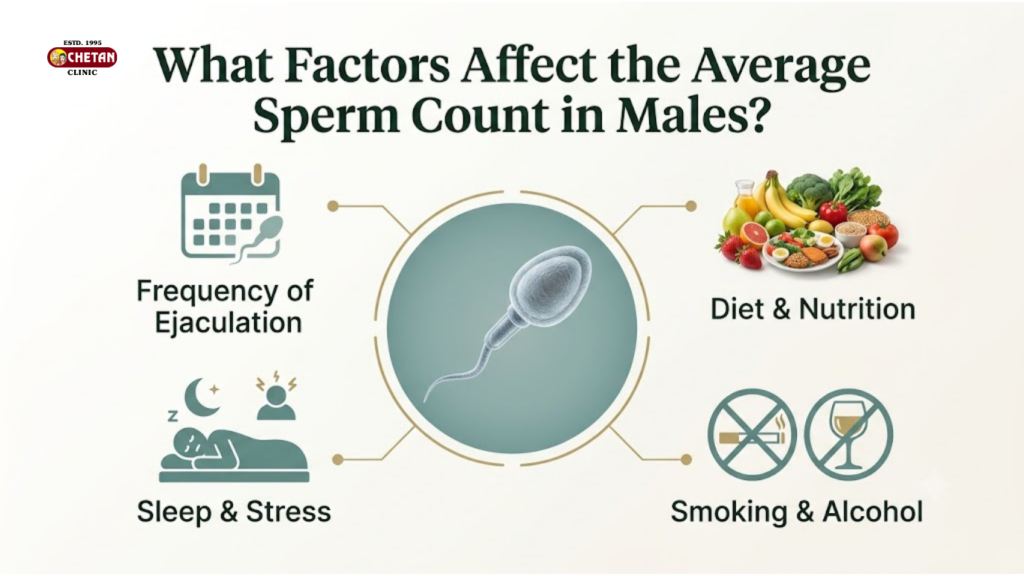
Several factors may influence the average sperm count in males and overall sperm quality.
1. Frequency of Ejaculation
The interval between ejaculations can influence semen volume and the total sperm count in an individual sample. Frequent ejaculation may reduce the count in each sample, but this does not automatically indicate a fertility problem.
2. Diet and Nutrition
A balanced diet containing vegetables, fruits, whole grains, legumes, nuts and adequate protein supports general health. Correcting nutritional deficiencies may also be beneficial when recommended by a healthcare professional.
3. Hormonal Health
Hormones such as follicle-stimulating hormone (FSH), luteinising hormone (LH) and testosterone play important roles in sperm production. Hormonal disturbances may affect sperm concentration and reproductive function.
4. Lifestyle Habits
Smoking, excessive alcohol consumption, anabolic steroid use and certain environmental exposures may negatively affect reproductive health. Regular exercise, sufficient sleep and maintaining a healthy weight are useful parts of a healthy lifestyle.
5. Medical Conditions
Infections, testicular disorders, hormonal problems and blockages in the reproductive tract can affect sperm production or the presence of sperm in the ejaculate.
How Can You Check Your Sperm Count?
A semen analysis test is the standard laboratory test used to evaluate sperm count and semen quality. It commonly assesses:
- Semen volume.
- Sperm concentration and total sperm count.
- Sperm motility.
- Sperm morphology.
Semen appearance alone cannot confirm whether a sperm count is normal. Follow the laboratory’s instructions for collecting the sample and the recommended abstinence period, commonly two to seven days.
If the initial results are abnormal, a healthcare professional may recommend repeat testing because semen parameters can vary between samples. <Cite refs={[“turn643987search2″,”turn643987search0”]}/>
How to Support Healthy Sperm Production
Men can adopt healthy daily habits to support general reproductive health. However, no particular food, supplement or Ayurvedic remedy guarantees an increase in sperm count.
- Eat a balanced diet: Choose a variety of nutrient-rich foods.
- Exercise regularly: Maintain a healthy weight and stay physically active.
- Avoid smoking: Tobacco use is associated with poorer sperm health.
- Limit excessive alcohol: Avoid heavy alcohol consumption.
- Get adequate sleep: Maintain a consistent sleep schedule.
- Seek medical guidance: Discuss persistent fertility concerns or abnormal test results with a qualified professional.
From an Ayurvedic wellness perspective, balanced nutrition, appropriate daily routines and adequate rest can complement a healthy lifestyle. However, Ayurvedic preparations should not be claimed to treat low sperm count without reliable clinical evidence. Men should consult a qualified practitioner before using remedies for fertility concerns.
Dr. Chetan Gupta’s Advice on Male Reproductive Health
Vaidya Dr. Chetan Gupta, BAMS, Ayurvedic Sexologist and Counselor at Chetan Clinic, can provide professional guidance on male reproductive health and appropriate next steps for men concerned about fertility.
An important consideration is that sperm count alone does not establish whether a man is fertile. A semen analysis, medical history and clinical assessment can help identify potential concerns. Men with persistently abnormal results should seek an appropriate medical evaluation rather than relying solely on semen appearance or supplements.
When Should You Consult a Doctor?
Consider consulting a qualified healthcare professional if a semen analysis shows a low sperm count, no sperm are detected, or you have concerns about reproductive health.
Couples who have been trying to conceive for 12 months without success should generally seek a fertility evaluation. Earlier assessment may be appropriate when the female partner is 35 or older or either partner has known reproductive health concerns.
Frequently Asked Questions
1. How many sperm are released in one ejaculation?
The number varies considerably. The WHO 2021 lower reference limit for total sperm count is approximately 39 million sperm per ejaculation.
2. What is the normal sperm concentration per ml?
The WHO 2021 lower reference limit is 16 million sperm per millilitre. Concentration alone does not determine fertility.
3. Does frequent ejaculation reduce sperm count?
Frequent ejaculation may reduce the total sperm count in an individual sample, but it does not automatically mean a man has a fertility problem.
4. Can diet improve sperm count?
A balanced diet supports overall health, but no particular food guarantees an increase in sperm count. Persistent abnormalities should be evaluated medically.
Conclusion
Understanding how many sperm cells in male ejaculate helps men learn more about reproductive health. The WHO 2021 lower reference limits are 39 million sperm per ejaculation and 16 million sperm per millilitre.
However, sperm count is only one aspect of fertility. Sperm movement, shape, semen volume and other reproductive factors also matter. A semen analysis and appropriate professional guidance are the best starting points for addressing concerns about sperm count.